
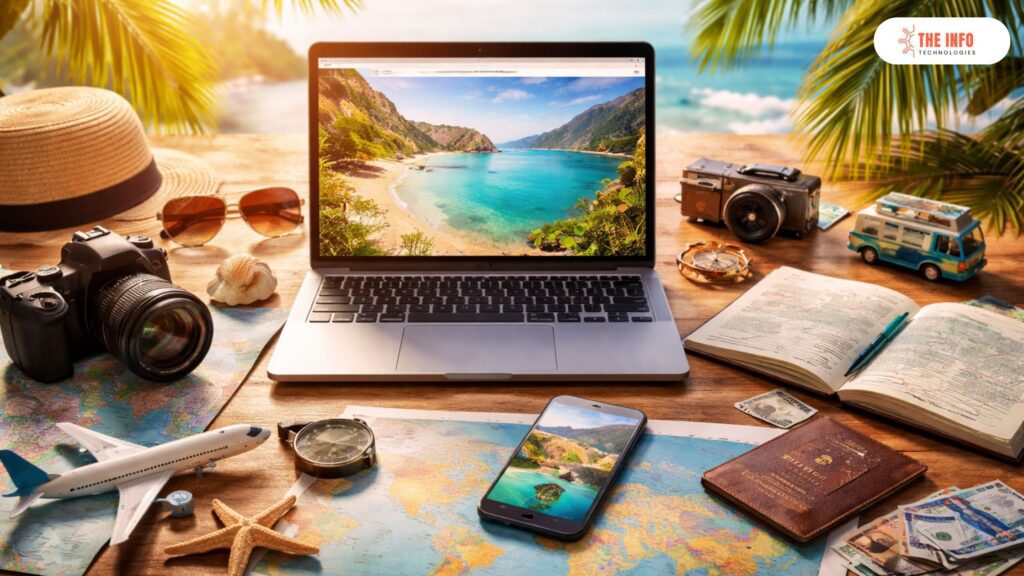
Tourism is no longer just about destinations—it’s about experiences, personalization, and digital storytelling. In today’s hyper-competitive travel landscape, businesses must go beyond traditional advertising and embrace a comprehensive, data-driven approach to tourism marketing.
Whether you are a travel agency, hotel chain, destination management company, or tourism board, the challenge remains the same: how do you attract the right travelers, engage them meaningfully, and convert them into loyal customers?
This is where strategic tourism marketing becomes essential—and where expert partners like The Info Technologies play a transformative role.
In this in-depth guide, we’ll break down everything you need to know about tourism marketing, from core principles and strategies to advanced tactics that drive measurable results.
What Is Tourism Marketing?
Tourism marketing refers to the strategies and tactics used to promote travel-related products and services. This includes destinations, accommodations, transportation, experiences, and more.
At its core, tourism marketing focuses on:
- Creating awareness about a destination or service
- Influencing traveler decisions
- Enhancing customer experience
- Driving bookings and revenue
Unlike other industries, tourism marketing is deeply emotional. Travelers are not just buying a service—they’re buying memories, adventure, relaxation, and personal transformation.
Why Tourism Marketing Is More Important Than Ever
The global tourism industry has undergone a massive transformation due to digitalization, changing consumer behavior, and increased competition.
Here’s why tourism marketing is critical in 2026:
1. Digital-First Travelers
Today’s travelers research extensively online before making decisions. From Google searches to social media reviews, your digital presence directly impacts bookings.
2. Experience-Driven Demand
Modern tourists prioritize experiences over price. Marketing must highlight unique value propositions, not just features.
3. Intense Competition
With countless destinations and travel providers, standing out requires strategic positioning and differentiation.
4. Personalization Expectations
Customers expect tailored recommendations, offers, and content based on their preferences.
5. Real-Time Decision Making
Travel decisions are often spontaneous, driven by trends, deals, or social media influence.
Core Components of a Successful Tourism Marketing Strategy
To succeed in tourism marketing, businesses must build a strong, integrated strategy. Here are the essential pillars:
1. Market Research and Audience Segmentation
Understanding your audience is the foundation of effective marketing.
Segment your audience based on:
- Demographics (age, income, location)
- Travel behavior (luxury, budget, adventure)
- Interests (culture, food, nature)
- Booking patterns
Pro Tip: Use data analytics tools to identify high-value customer segments and target them with precision.
2. Strong Brand Positioning
Your brand should answer one critical question:
“Why should travelers choose you over competitors?”
This involves:
- Defining your unique selling proposition (USP)
- Creating a compelling brand story
- Establishing a consistent visual identity
A strong brand builds trust and emotional connection—key drivers in tourism decisions.
3. Website Optimization (Your Digital Hub)
Your website is the backbone of your tourism marketing strategy.
It must be:
- Mobile-friendly
- Fast-loading
- SEO-optimized
- Easy to navigate
- Conversion-focused
Key elements include:
- High-quality visuals
- Clear calls-to-action (CTAs)
- Booking integration
- Customer reviews and testimonials
4. Search Engine Optimization (SEO)
SEO is one of the most powerful tools in tourism marketing.
Focus on:
- Destination-based keywords
- Long-tail queries like “best places to visit in summer”
- Local SEO optimization
- Blog content targeting travel intent
Example Keywords:
- tourism marketing strategies
- digital marketing for travel agencies
- destination marketing techniques
A strong SEO strategy ensures your business appears when travelers are actively searching.
5. Content Marketing
Content is the engine that drives tourism marketing success.
Create content that inspires and informs:
- Travel blogs
- Destination guides
- Itineraries
- Videos and vlogs
- User-generated content
Storytelling is key—paint a vivid picture of the experience.
6. Social Media Marketing
Social platforms are crucial for travel inspiration.
Focus on:
- Instagram for visuals
- YouTube for travel videos
- Facebook for community engagement
- LinkedIn for B2B tourism partnerships
Strategies include:
- Influencer collaborations
- Reels and short-form videos
- Live travel experiences
- Interactive polls and Q&A sessions
7. Paid Advertising (PPC & Social Ads)
Paid campaigns deliver immediate visibility.
Channels include:
- Google Ads
- Meta Ads (Facebook & Instagram)
- YouTube Ads
Target:
- Specific locations
- Travel interests
- Retargeting audiences
This ensures your brand stays top-of-mind.
8. Email Marketing
Email remains one of the highest ROI channels.
Use it to:
- Share travel deals
- Send personalized recommendations
- Promote seasonal offers
- Re-engage past customers
Automation tools can significantly enhance efficiency.
9. Online Reputation Management
Reviews can make or break your tourism business.
Focus on:
- Encouraging positive reviews
- Responding to feedback
- Managing negative comments professionally
Trust is a major factor in booking decisions.
10. Data Analytics and Performance Tracking
You can’t improve what you don’t measure.
Track:
- Website traffic
- Conversion rates
- Campaign ROI
- Customer behavior
Use insights to refine strategies continuously.
Advanced Tourism Marketing Strategies for 2026
To stay ahead, businesses must adopt innovative approaches.
1. Personalization Through AI
Artificial intelligence enables:
- Customized travel recommendations
- Dynamic pricing
- Chatbots for instant support
Personalization increases engagement and conversions.
2. Video-First Marketing
Video content dominates tourism marketing.
Focus on:
- Destination walkthroughs
- Customer testimonials
- Behind-the-scenes experiences
Short-form videos (Reels, Shorts) drive massive engagement.
3. Influencer and Creator Partnerships
Collaborating with travel influencers can:
- Boost credibility
- Expand reach
- Drive bookings
Choose influencers aligned with your brand values.
4. Virtual and Augmented Reality
Immersive experiences allow travelers to:
- Explore destinations virtually
- Preview accommodations
- Experience activities before booking
This reduces uncertainty and increases conversions.
5. Sustainable Tourism Marketing
Eco-conscious travelers are growing rapidly.
Highlight:
- Sustainable practices
- Eco-friendly accommodations
- Responsible tourism initiatives
Authenticity is crucial—avoid greenwashing.
6. Voice Search Optimization
With the rise of voice assistants, optimize for queries like:
- “Best beach destinations near me”
- “Affordable travel packages this weekend”
Use conversational keywords and FAQs.
7. Hyper-Local Marketing
Target travelers based on location and real-time context.
Examples:
- Geo-targeted ads
- Local event promotions
- Last-minute deals
Common Challenges in Tourism Marketing
Despite opportunities, businesses face several challenges:
1. Seasonality
Demand fluctuates throughout the year.
Solution:
Diversify offerings and promote off-season experiences.
2. High Competition
Standing out is difficult.
Solution:
Focus on niche marketing and unique experiences.
3. Changing Consumer Behavior
Traveler preferences evolve rapidly.
Solution:
Stay updated with trends and adapt strategies.
4. Budget Constraints
Marketing can be expensive.
Solution:
Prioritize high-ROI channels and optimize campaigns.
5. Technology Integration
Managing multiple tools can be complex.
Solution:
Work with experts who streamline processes.
How The Info Technologies Transforms Tourism Marketing
Executing a successful tourism marketing strategy requires expertise, tools, and continuous optimization.
This is where The Info Technologies becomes your competitive advantage.
1. Strategic Planning
They develop customized marketing strategies tailored to your business goals and target audience.
2. SEO Excellence
From keyword research to technical optimization, they ensure your brand ranks where it matters.
3. High-Converting Websites
They design and optimize websites that not only attract visitors but convert them into customers.
4. Performance Marketing
Their data-driven campaigns maximize ROI across Google, social media, and display networks.
5. Content and Social Media Mastery
They create compelling content that inspires travelers and drives engagement.
6. End-to-End Digital Solutions
From branding to analytics, they provide a complete ecosystem for tourism marketing success.
Step-by-Step Tourism Marketing Plan
Here’s a practical roadmap you can follow:
Step 1: Define Your Goals
- Increase bookings
- Boost brand awareness
- Expand into new markets
Step 2: Identify Your Target Audience
Create detailed customer personas.
Step 3: Build a Strong Online Presence
- Website
- Social media
- Listings
Step 4: Implement SEO and Content Strategy
Target relevant keywords and create valuable content.
Step 5: Launch Paid Campaigns
Test and optimize ads.
Step 6: Leverage Social Media and Influencers
Build engagement and trust.
Step 7: Monitor and Optimize
Continuously analyze performance and refine strategies.
Future Trends in Tourism Marketing
Looking ahead, the industry will be shaped by:
- AI-driven personalization
- Sustainable travel demand
- Mobile-first experiences
- Data privacy regulations
- Experiential travel
Businesses that adapt quickly will thrive.
Conclusion: Turn Your Tourism Vision Into Results
Tourism marketing is no longer optional—it’s the driving force behind growth, visibility, and profitability in the travel industry.
However, success requires more than just effort. It demands strategy, expertise, and execution.
If you’re ready to:
- Attract more travelers
- Increase bookings
- Build a powerful brand
- Stay ahead of competitors
Then it’s time to partner with experts who understand the landscape inside out.
The Info Technologies is your trusted partner in building high-impact, results-driven tourism marketing strategies that deliver measurable growth.
Don’t let your business get lost in the crowd.
Take the next step today.
Reach out to us and transform your tourism marketing strategy into a revenue-generating powerhouse.
Email us directly at theinfotechnologies@gmail.com and let’s start building your success story.
Related Articles
- International Marketing: The Complete Guide to Expanding Your Business Globally
- Global Marketing: The Complete Guide to Expanding Your Brand Worldwide
- What Is Product Marketing? A Complete, Practical Guide for Modern Businesses
- The Ultimate Guide to SaaS Marketing: Strategies, Channels & Best Practices
- Social Media Followers Increase: Proven Tips and Strategies
- Studio Ghibli Wallpaper: Bring the Magic of Ghibli to Your Screen
- What is Network Marketing? A Complete Guide
- Real Estate Lead Generation: Strategies to Attract Quality Leads
- B2B Marketing Funnel: A Comprehensive Guide
- Difference Between On Page and Off Page SEO – Complete Guide