
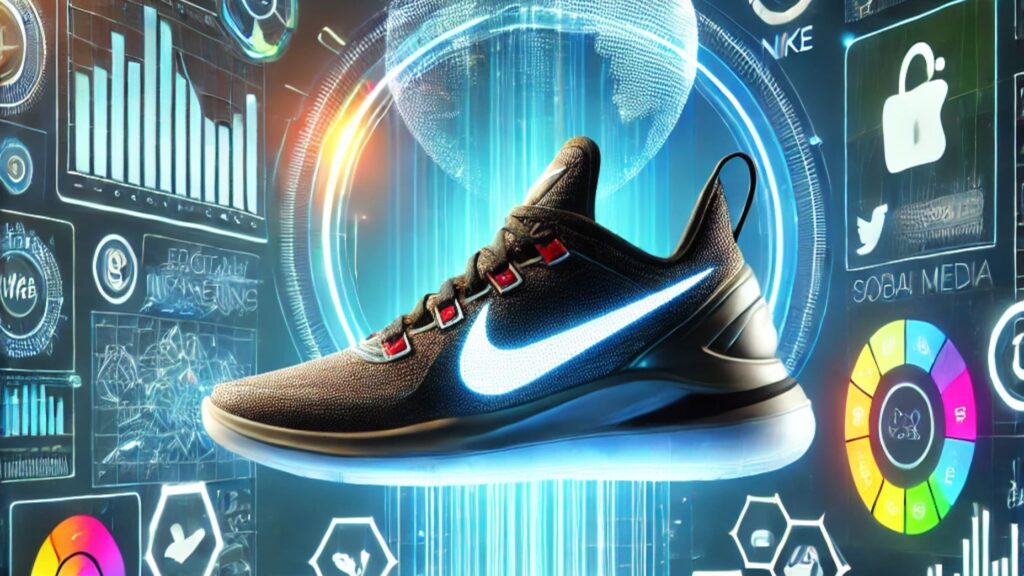
Nike Digital Marketing: Nike, a global leader in athletic wear, has consistently set benchmarks in digital marketing, leveraging innovative strategies to captivate audiences and drive brand loyalty. From immersive social media campaigns to pioneering content strategies, Nike digital marketing is a masterclass in modern branding.
The Pillars of Nike Digital Marketing
- Storytelling Through Content
Nike excels in storytelling, creating emotionally resonant campaigns. Its “Just Do It” mantra inspires a sense of achievement, motivating audiences to associate the brand with personal success. By integrating this messaging across all digital platforms, Nike ensures consistency in its brand voice. - Social Media Engagement
With an active presence on platforms like Instagram, TikTok, and Twitter, Nike engages directly with its audience. The brand uses influencers and athletes to amplify its campaigns, creating relatable and aspirational content that garners millions of views. - Personalization at Scale
Nike leverages data analytics to understand customer preferences, offering personalized product recommendations and exclusive experiences through its apps and website. The NikePlus app is a prime example, rewarding users for their loyalty and activity. - E-Commerce and Omnichannel Experience
Nike’s digital storefront is optimized for seamless user experiences, from easy navigation to tailored suggestions. The brand’s integration of augmented reality (AR) features, such as virtual shoe try-ons, enhances the shopping journey. - Purpose-Driven Campaigns
Nike is known for its socially conscious campaigns that resonate with its audience’s values. Whether advocating for equality or sustainability, the brand integrates purpose into its digital marketing strategy, fostering deeper connections.
Key Campaigns That Redefined Nike’s Digital Presence
- “You Can’t Stop Us” Campaign: A powerful video that celebrated resilience during the pandemic, achieving record-breaking engagement on social media.
- Nike Training Club App: During the lockdown, Nike offered free access to its premium workouts, fostering goodwill and boosting app downloads.
Lessons for Digital Marketers
Nike’s success in digital marketing lies in its ability to adapt, innovate, and connect authentically with its audience. Marketers can learn to:
- Focus on storytelling to build emotional connections.
- Use data to deliver personalized experiences.
- Integrate purpose-driven messages into campaigns.
Nike digital marketing strategy is a testament to the power of creativity, technology, and authenticity. By staying at the forefront of digital trends and prioritizing customer-centric experiences, Nike continues to inspire and lead in the digital space.
How Small Businesses Can Emulate Nike Digital Marketing Strategies
While Nike operates on a global scale, its digital marketing principles can be adapted by small businesses to create impactful campaigns and build strong brand loyalty. Here’s how:
1. Leverage Storytelling to Build Emotional Connections
- Nike’s Strategy: Nike connects emotionally with its audience through stories of perseverance and achievement.
- For Small Businesses: Share authentic customer testimonials, behind-the-scenes content, or the story behind your brand to create an emotional bond with your audience.
2. Maximize Social Media Engagement
- Nike’s Strategy: Nike uses platforms like Instagram and TikTok to share engaging and aspirational content.
- For Small Businesses: Identify platforms where your audience is most active. Use user-generated content (UGC), collaborate with local influencers, and post consistently to engage your audience.
3. Personalize the Customer Experience
- Nike’s Strategy: Nike leverages data to tailor product recommendations and experiences.
- For Small Businesses: Use affordable tools like email marketing software or CRM systems to analyze customer behavior. Send personalized offers, birthday discounts, or product suggestions based on their preferences.
4. Optimize Your Digital Storefront
- Nike’s Strategy: Nike’s website and apps offer seamless navigation and engaging features like AR try-ons.
- For Small Businesses: Ensure your website is mobile-friendly, loads quickly, and provides easy navigation. Incorporate features like live chat and detailed product descriptions to enhance the shopping experience.
5. Create Purpose-Driven Campaigns
- Nike’s Strategy: Nike aligns its campaigns with causes like sustainability and equality, resonating deeply with its audience.
- For Small Businesses: Highlight your business’s commitment to local communities, eco-friendly practices, or social causes. Consumers are increasingly drawn to brands with a purpose.
6. Offer Value Beyond the Product
- Nike’s Strategy: Nike’s Training Club app provides free workouts, adding value to its customers’ lives.
- For Small Businesses: Offer free resources like how-to guides, webinars, or exclusive tips related to your industry. Providing value builds trust and keeps customers engaged.
7. Experiment and Innovate
- Nike’s Strategy: Nike stays ahead by experimenting with new technologies like AR and VR.
- For Small Businesses: Explore affordable tech trends such as chatbots or interactive social media polls. Stay updated on emerging tools to add novelty to your digital marketing.
By adapting Nike’s core strategies to your scale and budget, you can establish a memorable online presence, foster deeper customer relationships, and drive long-term growth.
Tools and Platforms for Implementing Nike Digital Marketing Strategies
Small businesses can replicate Nike digital marketing success by using affordable and user-friendly tools. Here are some examples tailored to each strategy:
1. Storytelling Through Content
- Tools:
- Canva: Create visually engaging social media posts, infographics, and video content.
- Animoto: Produce professional-quality videos with minimal effort.
- Platforms:
- Instagram Stories/Reels: Share behind-the-scenes and customer stories.
- Medium: Publish detailed blog posts to share your brand’s journey.
2. Social Media Engagement
- Tools:
- Hootsuite or Buffer: Schedule and manage posts across multiple social media platforms.
- Later: Focused on visual planning for Instagram, Pinterest, and TikTok.
- Platforms:
- TikTok: Post creative short-form videos to capture younger audiences.
- Facebook Groups: Build a community around your brand.
3. Personalization
- Tools:
- HubSpot CRM: Manage customer data and send personalized emails.
- Mailchimp: Automate email campaigns and personalize offers based on customer behavior.
- Platforms:
- Google Analytics: Track customer behavior on your website for tailored recommendations.
- Hotjar: Understand user interaction through heatmaps and session recordings.
4. Optimizing the Digital Storefront
- Tools:
- Shopify: Create a seamless e-commerce website with intuitive design tools.
- WooCommerce: An affordable solution for WordPress websites.
- Tidio: Add live chat to your website to improve customer support.
- Platforms:
- Google My Business: Optimize local SEO and manage reviews.
- Yotpo: Display user reviews and testimonials to enhance credibility.
5. Purpose-Driven Campaigns
- Tools:
- GoFundMe or Kickstarter: Align campaigns with local or social causes.
- Sprout Social: Monitor and respond to social media discussions about social impact.
- Platforms:
- LinkedIn: Share your business’s community initiatives and achievements.
- Twitter: Participate in relevant trending discussions with a cause-oriented focus.
6. Offering Value Beyond the Product
- Tools:
- Teachable: Create and share educational courses or tutorials.
- Leadpages: Offer free downloadable resources like guides or checklists to capture leads.
- Platforms:
- YouTube: Share how-to videos or industry tips.
- Pinterest: Post actionable content like recipes, DIYs, or tips relevant to your niche.
7. Experimenting with Innovation
- Tools:
- Lumen5: Turn blog posts into engaging videos for social media.
- Zapier: Automate repetitive tasks to free up time for innovation.
- Platforms:
- Instagram AR Filters: Create branded filters for your audience to use.
- Meta Spark Studio: Build simple augmented reality experiences for Facebook and Instagram.
These tools and platforms make it easier for small businesses to compete in the digital space, even with limited resources. Implementing them strategically can help elevate your brand and resonate with your target audience.
Related Articles
- Internet Marketing Agency: Unlocking Success in the Digital Era
- Top Content Marketing Agencies to Elevate Your Brand
- The Role of Internet Marketing Experts in Driving Online Success
- Mastering the Art of the Digital Media Campaign
- Social Media Marketing Today: Trends, Strategies, and Insights
- The Ultimate Guide to SEO Internet Marketing Services
- Digital Content Marketing Strategy: A Comprehensive Guide
- Social Media Marketing Companies Pricing: What You Need to Know
- The Ultimate Guide to Choosing the Right SEO Digital Company
- The Ultimate Guide to Dental Internet Marketing
- Unlock Your Business Potential with a Leading Web Marketing Firm
- The Evolution and Future of the Digital Media Industry
- Online Reputation Marketing: The Key to Building Trust and Driving Success
- Mastering Inbound Digital Marketing: A Complete Guide
- The Role and Importance of a Web Marketing Consultant